
Paulette Steeves. Ph.D. (Cree-Métis)
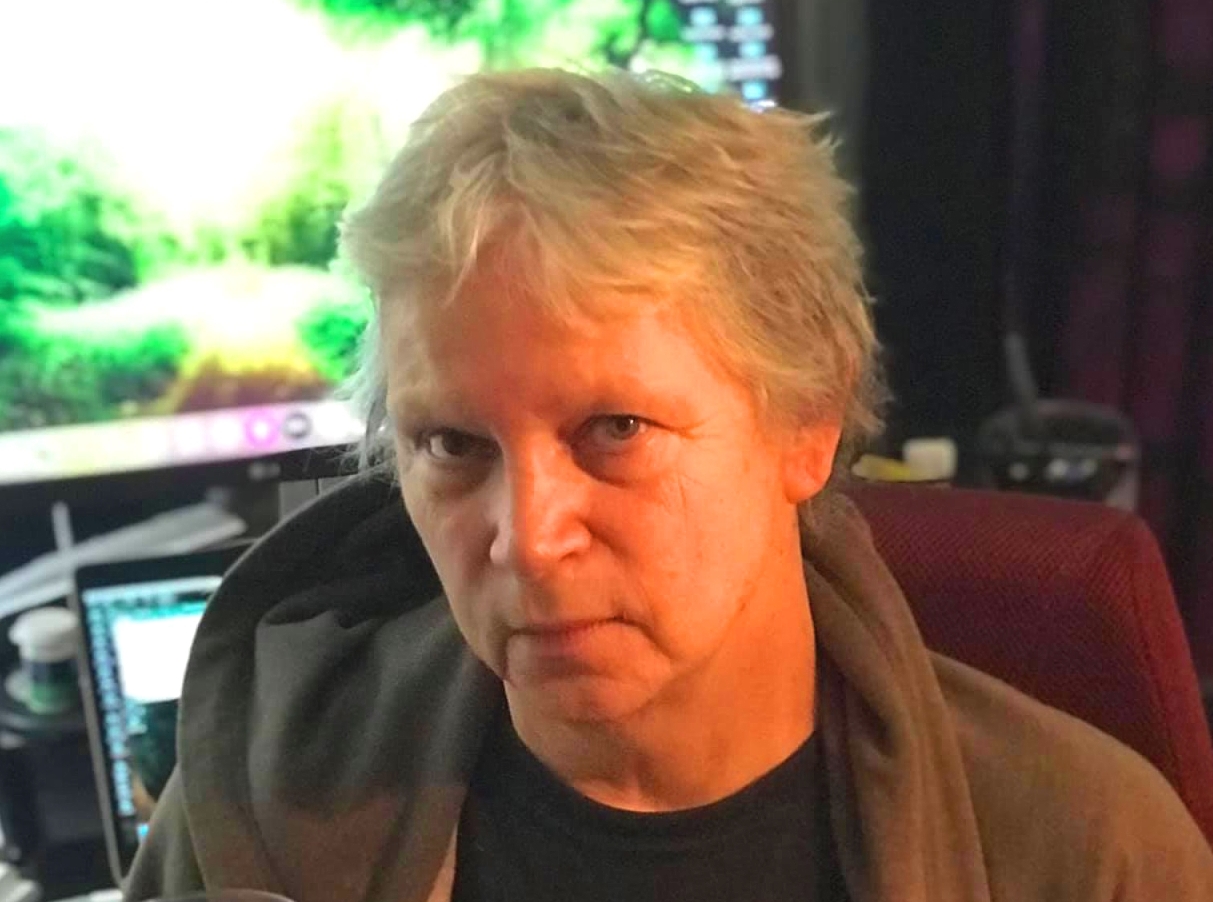
Dr. Paulette Steeves, Ph.D. (Cree-Métis) is an Indigenous archaeologist with a focus on the Pleistocene history of the Western Hemisphere. In her research, Steeves argues that Indigenous peoples were present in the Western Hemisphere as early as 100,000 years ago, and possibly much earlier. She has created a database of hundreds of archaeology sites in both North and South America that date from 250,000 to 12,000 years before present, which challenges the Clovis First dogma of a post 12,000 year before present initial migrations to the Americas.
She received her BA Honours Cum Laude at the University of Arkansas at Fayetteville. In 2008 Dr. Steeves was awarded the Clifford D. Clark fellowship to attend graduate studies at Binghamton University in New York State and was awarded her Masters in Anthropology 2010, and Doctorate in Anthropology in 2015. During her doctoral studies, she worked with the Denver Museum of Nature and Science to carry out studies in the Great Plains on mammoth sites which contained evidence of human technology on the mammoth bone, thus showing that humans were present in Nebraska over 18,000 years ago.
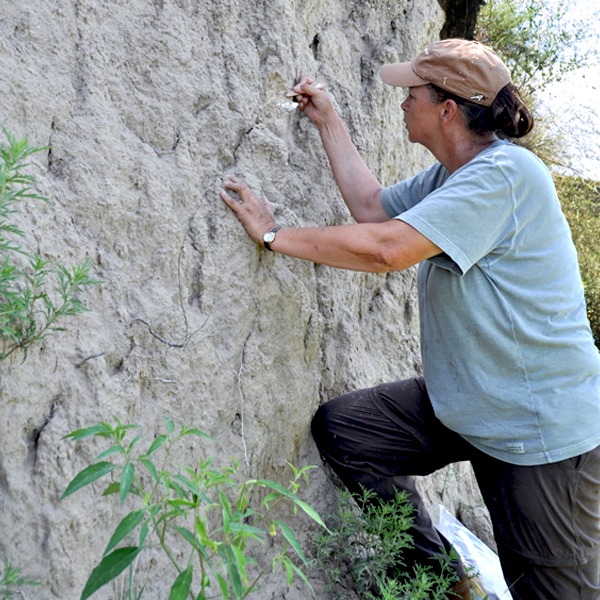
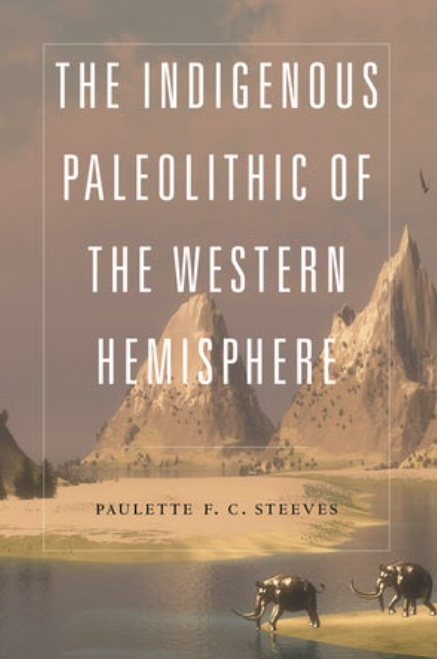
Dr. Steeves has taught Anthropology courses with a focus on Native American and First Nations histories and studies, and decolonization of academia and knowledge production at Binghamton University, Selkirk College, Fort Peck Community College, the University of Massachusetts at Amherst, and Mount Allison University. She is Professor in Geography, Geology, and Land Stewardship at Algoma University, and Canada Research Chair (Tier II) in Indigenous History: Healing and Reconciliation. In 2021 her first book The Indigenous Paleolithic of the Western Hemisphere was published by the University of Nebraska.